
Ask around the office about corporate retreats, and you’ll get two very different reactions. When well planned, they can provide all the hyped-up benefits of bonding, strategizing, and brainstorming. But when things go wrong, they can lead to horrible stomach viruses and munching on dead tarantulas (and that was just one retreat, according to a Wall Street Journal story from earlier this year).
Even when retreats don’t turn into nightmares in foreign countries, there’s a wealth of Reddit threads like “Corporate ‘retreats’ are such bs” and “Excuses to not go to a work retreat” by those who feel coerced into uncomfortable proximity with coworkers in all kinds of awkward, time-wasting ways.
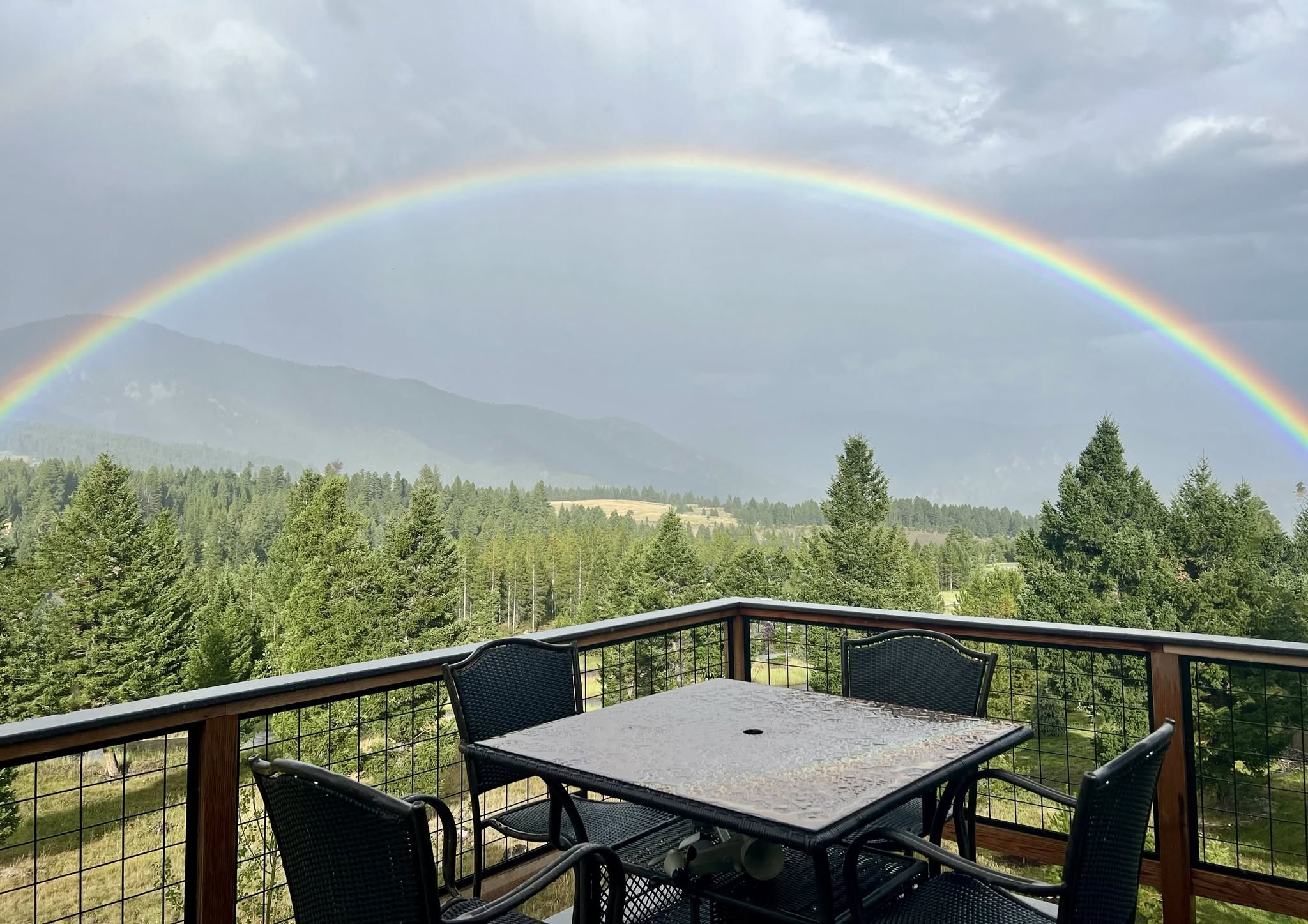
“Some of the best moments never make the agenda”
Photo by Josie Johnson at the 2025 Blickstein Group retreat in Bozeman, MT
So, how do you make sure your retreat is one that employees look forward to and can benefit from all year long, and not one that ends up on the /antiwork subreddit? Here are a few tips.
- Create an agenda, but don’t make it 24/7
While you want to make use of limited time together, particularly for those with multiple offices or remote employees, too much togetherness can be exhausting and counterproductive. Build in time to decompress and to catch up on the work that still needs to be done while everyone is away from the office.
- Don’t let leadership hijack the agenda
That Reddit thread about retreats being BS? Here’s one of the comments: “It’s such cult shit, I’m so glad my current company doesn’t do them.”
Don’t be those managers who schedule wall-to-wall, one-way presentations by leadership. But do let people celebrate wins and interact with leadership without turning it into a self-promotion contest. And be aware of those who tend to attract the spotlight, either naturally or deliberately. Retreats are a chance to get honest feedback from employees and ensure that people who don’t always feel comfortable raising their hand have a chance to be heard. The whole point is to get great ideas from surprising places that might not otherwise surface in the office or via Zoom.
- Be thoughtful about your employees’ non-work lives
Overnight retreats at a swanky location can be a welcome respite for many people, but it can also add strain to those who have child or elder care concerns or other commitments during their time outside the office. That’s particularly true when retreats extend into the weekend. If a getaway will cause headaches and require difficult tradeoffs for employees, think about a shorter event or make attendance optional.
- Whatever you do, don’t make employees share a hotel room
For fans of “The Office,” in Season 8, Jim volunteered to shower with Dwight on a business trip to Tallahassee to “save some water.” While the Jim/Dwight relationship might be funny on a show, it’s a lot less funny when your actual HR department starts fielding complaints.
That means everyone should get their own hotel room. If the tradeoff is a less expensive location or a shorter retreat, it’s one that most employees will be willing to make.
- Remember that company culture is magnified on a retreat
When everyone spends time together outside the office, dynamics are intensified. If you have a supportive, collegial culture, a well-planned retreat will translate into a productive, enjoyable time. When office politics, obnoxious coworkers, and questionable decision-making are the norm, even the best-planned event will turn into a grind, at best.
And culture doesn’t depend on whether employees work in the same location. Companies that are fully remote can have a strong sense of purpose, and a brick-and-mortar building doesn’t necessarily equate to a shared vision. Employees who don’t see each other every day may have a wonderful time connecting in person, or they may have an uncomfortable experience trying to make small talk with people who generally only exist in squares on a computer screen. On the other hand, when coworkers irritate each other every day in the break room or fundamentally disagree on the company’s mission, being stuck on a trust walk in the woods together will only increase their annoyance.
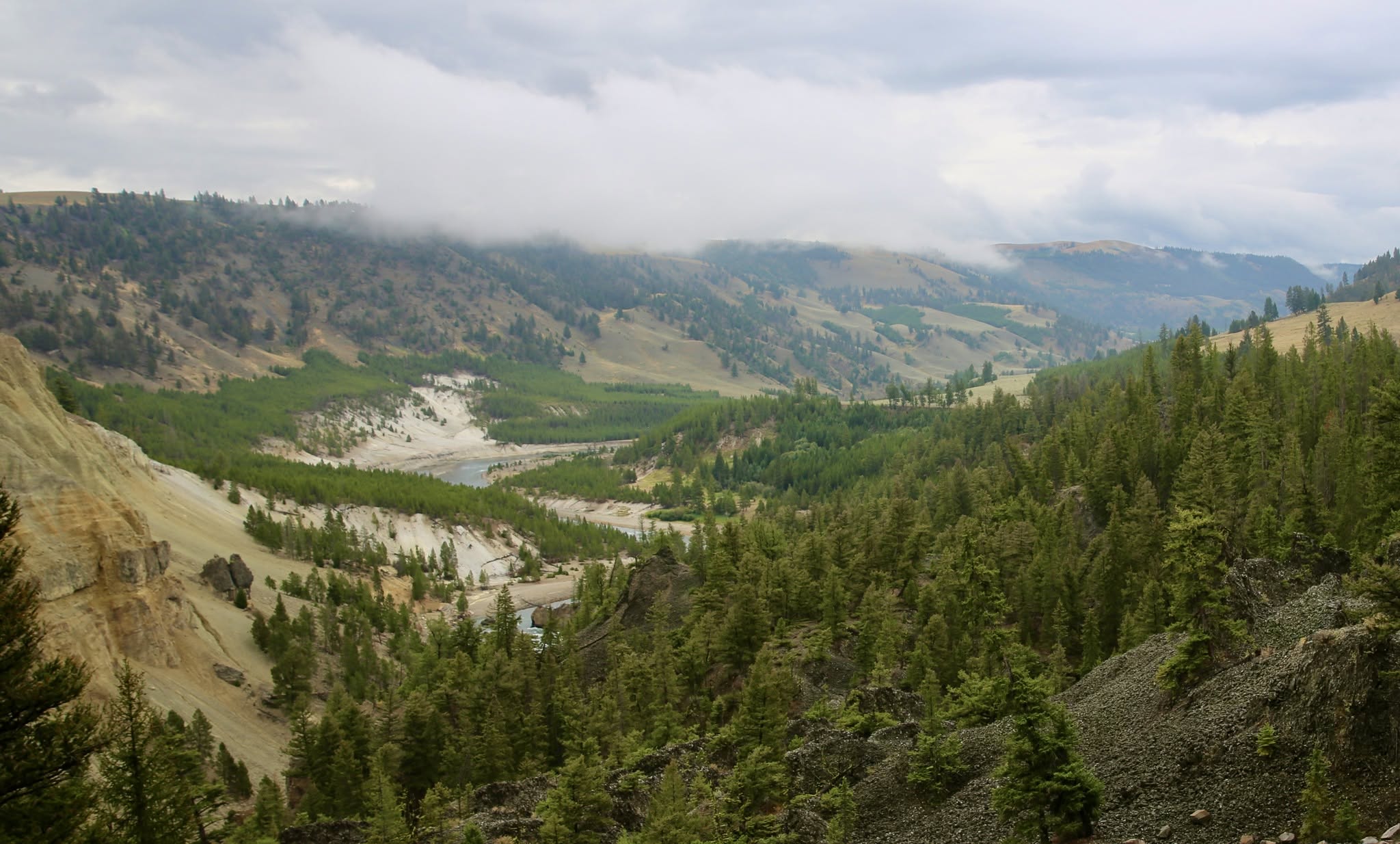
“Room to breathe, built into the schedule”
Photo by Sam Moon at the 2025 Blickstein Group retreat in Bozeman, MT.
At Blickstein Group, we take our own advice seriously. We’re a small, remote team, so our annual getaway is one of the highlights of the year. And we keep it that way because we plan for it. That includes dates that work with everyone’s schedule, locations people actually want to visit, and agendas that leave room to breathe and be creative. Last year that meant Big Sky, Montana, with time in Yellowstone; this year, we’re headed to Laguna Beach, California.
None of it happens by accident. The retreats employees dread aren’t usually the result of bad luck. They’re the result of skipping steps like these. Get the planning right, and you’ll end up with a team that’s closer, not one that’s counting down the minutes until the flight home (tarantulas optional).